Why violin making?
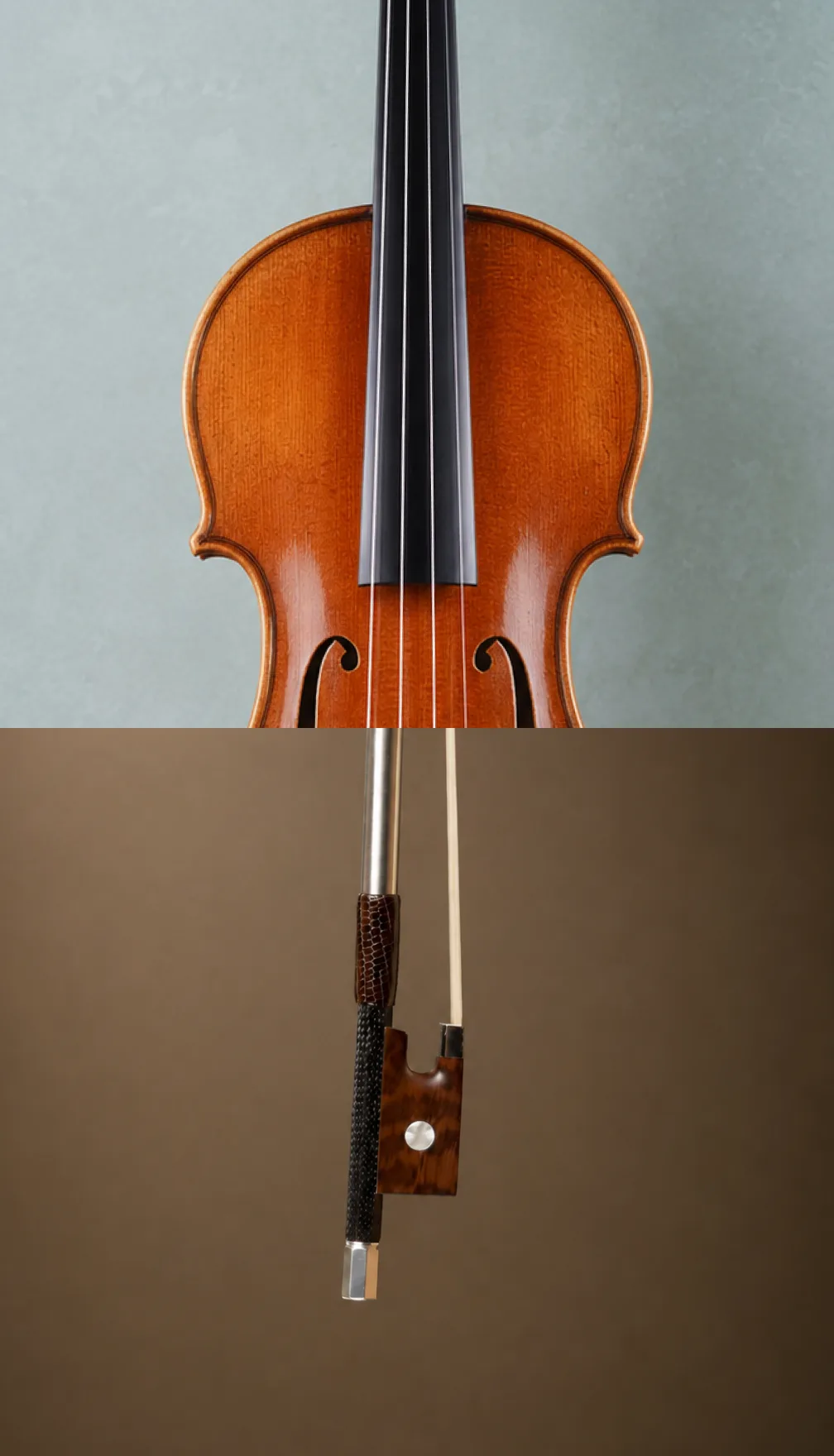
From an early age, the violin was much more than just another instrument to me. I was always fascinated by its sound and appearance – there was something mysterious about it. While studying musicology in Berlin, I realized that I was interested not only in the academic side of music, but above all in the creative process of working with different materials. Watching a living, resonant instrument emerge from a piece of raw wood seemed to me the perfect combination of art, craftsmanship, and music.
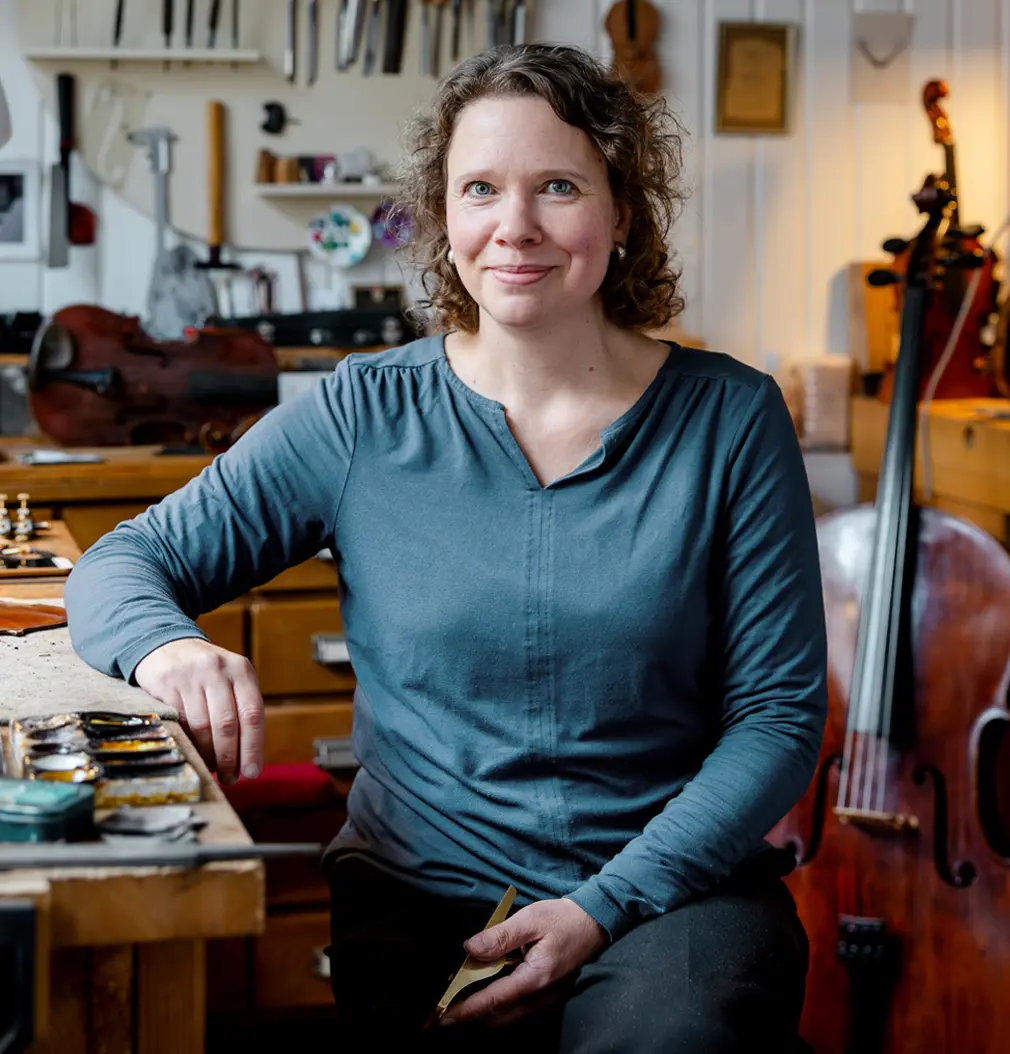
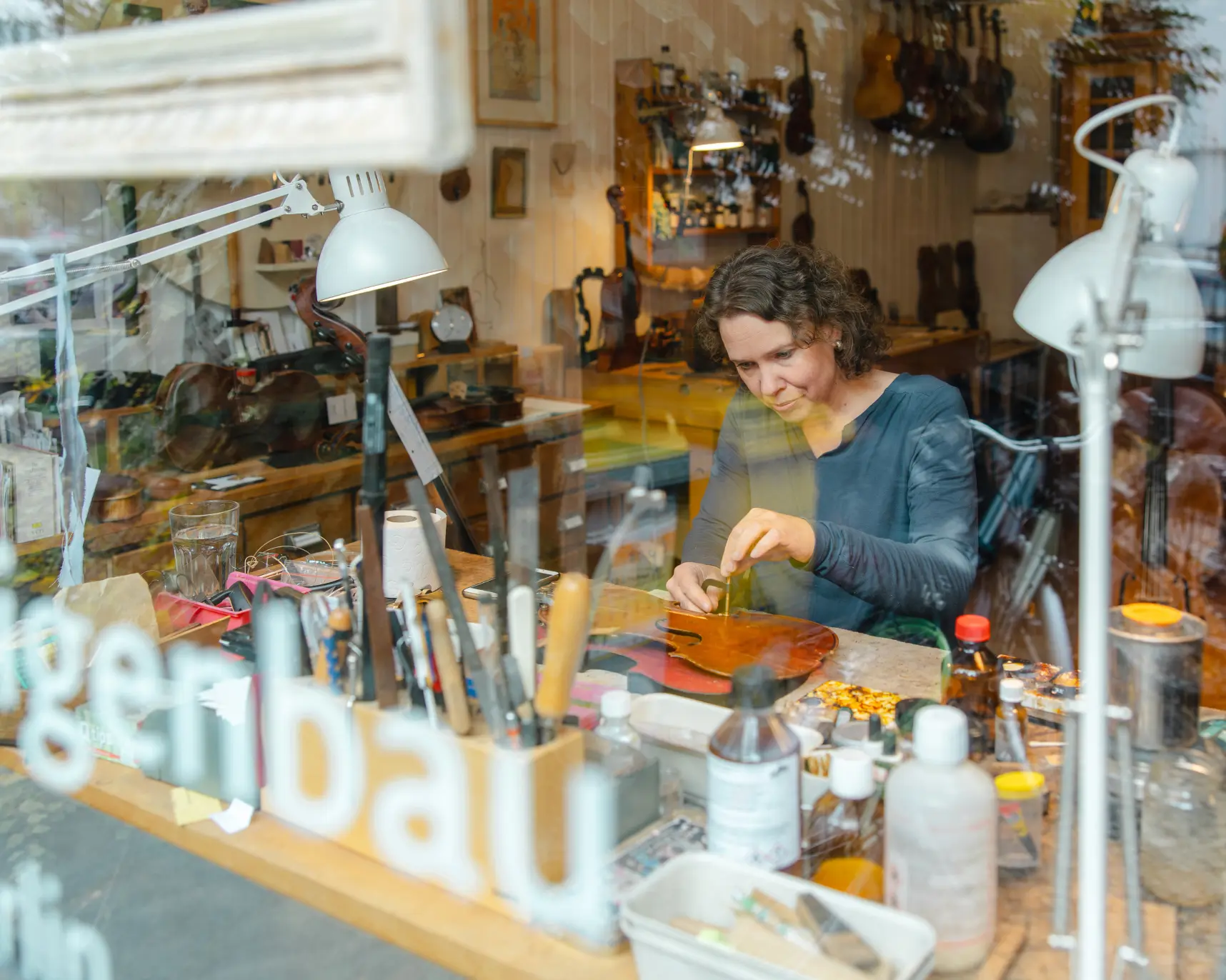
What I love most about my workshop is the balance between the quiet concentration of working on instruments and the lively exchange with the musicians who play them. I believe it is these two contrasting aspects that make this profession so rewarding for me.
You’ve worked across much of Europe and in the United States. What have you taken from those experiences that still finds its way into every violin you work on today?
The places where I have worked are closely tied, in my memory, to the people I met there. In many of the larger workshops, I worked alongside international teams, and I learned to appreciate a wide range of techniques, working styles, and approaches. I was encouraged to think outside the box, to experiment, and to be inventive.
I still remember small tricks of the trade, unusual techniques, and thought-provoking discussions about the ethics of restoration. There are cultural differences, for example, in whether a restoration should remain visible or be virtually undetectable to the eye. I am especially grateful for the time I spent at Hans Weisshaar in Los Angeles, where I gained invaluable experience that continues to influence my work today.
What has been the most challenging project you’ve ever had on your workbench?
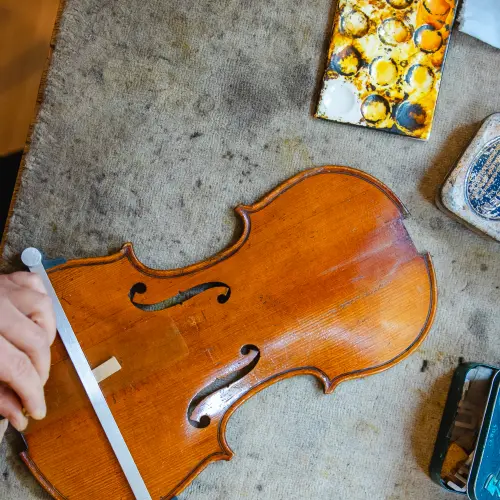
Perhaps the most unusual one was making an entirely new rib structure for an old North Italian violin. The original ribs were too badly damaged to be restored. Because the top and back plates were extremely asymmetrical, the entire rib structure had to be built with that asymmetry deliberately incorporated into its design. It was an incredibly challenging project, but I was very pleased with the final result.
What happens in your workshop that might surprise people who have never been inside one?
There is something truly special about the meeting of craftsmanship and music. Emotions play a much greater role in my workshop than many people might expect. I think this is partly because a string instrument is held so close to the body – almost embraced – and because its sound is so closely connected to the human voice.
The relationship between a musician and their instrument is deeply personal and often highly emotional, just as music itself has the power to move us and evoke profound feelings. Every instrument carries memories, and deciding whether to restore it, part with it, or simply entrust it to someone else can be an intensely emotional experience.
What inspires your work today?
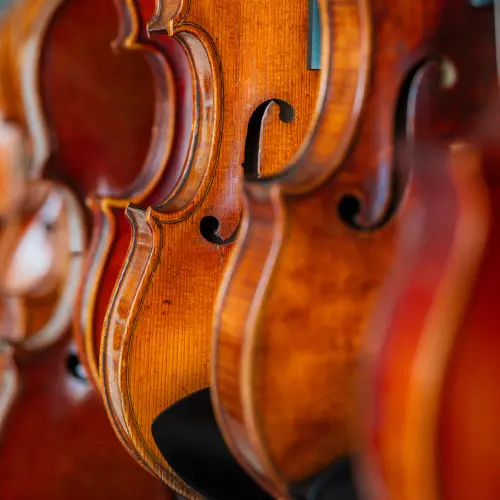
Music is my greatest source of inspiration. Beyond that, I find inspiration in the instruments themselves – whether I encounter them at exhibitions, in museums, or on my own workbench.
I also value the international exchange with fellow violin makers, whether through professional conferences, exhibitions, or online communities. Sharing ideas and learning from colleagues continues to shape my work.
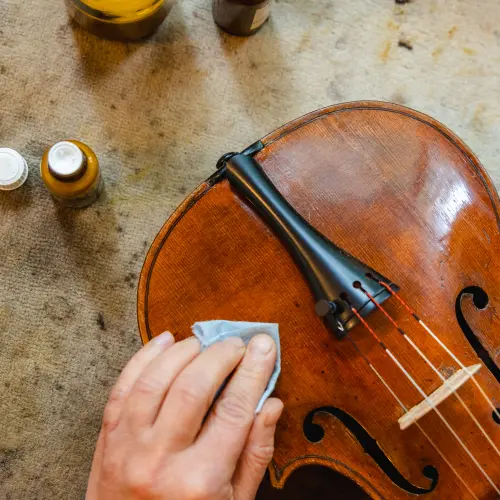
When restoring an instrument, I love uncovering and bringing back to life the qualities that make it unique. It might be a small area of original varnish emerging from beneath a dull patina, or another subtle detail that somehow speaks to me. Those are the moments that make restoration especially rewarding.
Are there any moments with clients or instruments that have stayed with you over the years?
The moments I treasure most are when I can immediately see the joy on a client’s face as they are reunited with a beloved instrument and are genuinely delighted with the result of my work. It’s especially rewarding when we’ve found the right solution to a particularly challenging problem, and a few days later I hear that, after some playing, everything feels and sounds just right.
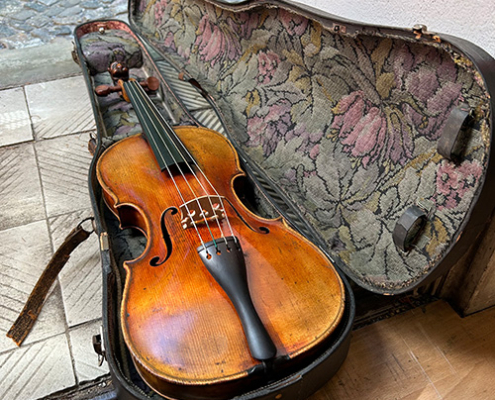
One memory that has stayed with me is of a family who asked me to restore the grandmother’s old violin. When they came to collect it, they called her on a video call straight away so she could see the finished instrument. It was quite a touching moment.